How to Catch Up on Bookkeeping Without Overwhelm
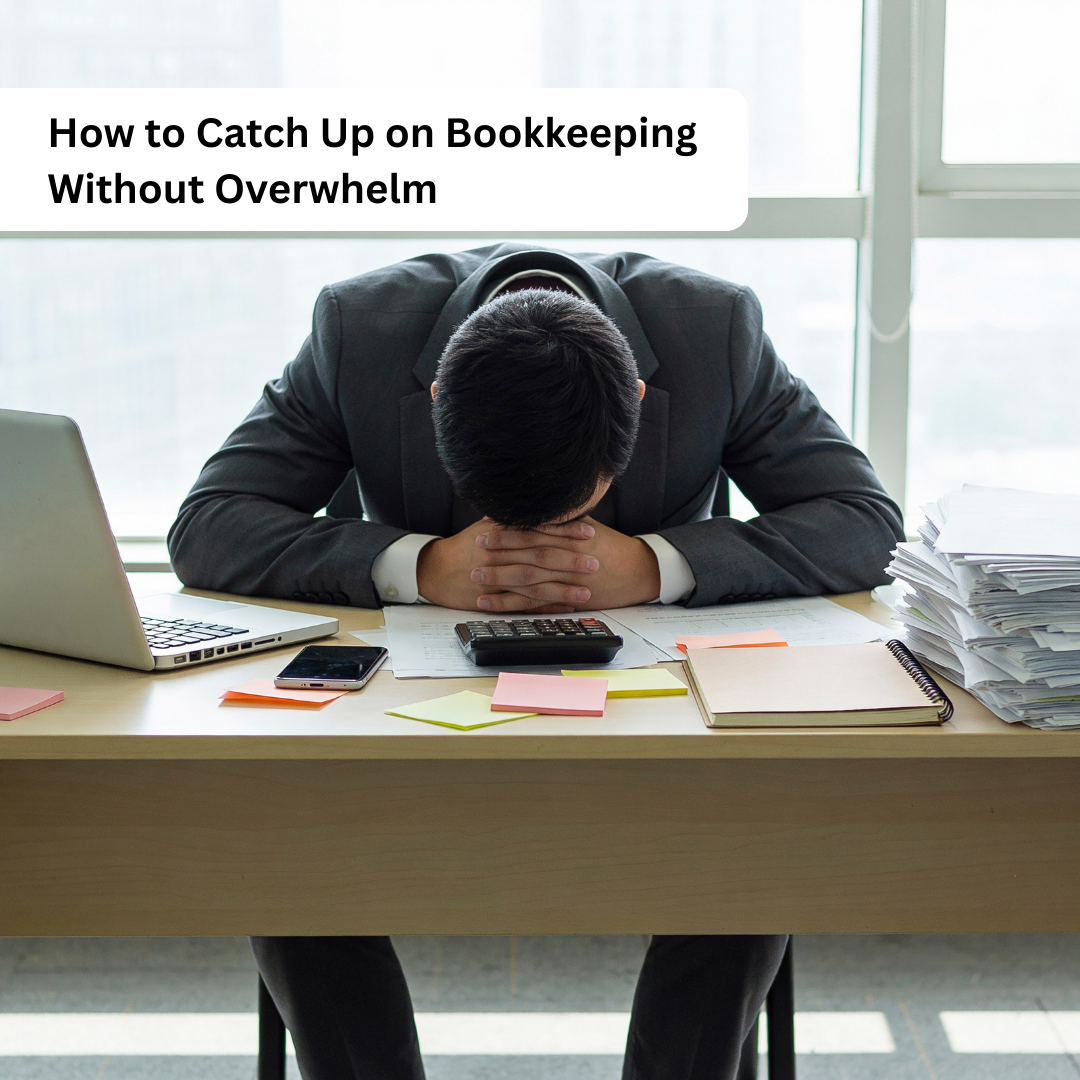
Falling behind on bookkeeping happens to more business owners than anyone likes to admit.
Receipts pile up. Transactions stay uncategorized. Months go by. Then suddenly it feels too big to deal with.
The good news is this.
You do not have to fix everything at once, and you do not need to be perfect to move forward.
Here is a simple, realistic way to catch up on bookkeeping without the stress or overwhelm.
Step 1: Stop Trying to Fix Everything in One Sitting
The fastest way to burn out is to open your books and try to tackle the entire year in one weekend.
Instead, break it into manageable pieces:
One account at a time
One month at a time
One task at a time
Progress beats perfection every time.
Step 2: Separate Personal and Business Activity First
If personal and business spending are mixed together, everything feels harder than it needs to be.
Before you start categorizing transactions:
Identify which accounts are truly business accounts
Mark obvious personal expenses
Stop running personal spending through the business going forward
Cleaning this up early makes the rest of the work much easier.
Step 3: Reconcile Bank and Credit Card Accounts
Reconciliation is the foundation of accurate books.
This step confirms that what is in your bookkeeping software matches what actually happened in your bank and credit card statements.
Start with:
Your main business checking account
Your primary business credit card
Once accounts are reconciled, you can trust the numbers you are working with.
Step 4: Categorize Transactions Using Broad, Sensible Categories
You do not need dozens of categories to get caught up.
Focus on the major ones:
Income
Advertising and marketing
Software and subscriptions
Meals and travel
Professional services
Office expenses
If something does not fit perfectly, choose the closest reasonable category. Your accountant can fine-tune later if needed.
Step 5: Do Not Stress About Receipts Right Away
Missing receipts are common when books are behind.
If you have:
Bank statements
Credit card statements
Invoices
That is often enough to get your books back into shape. You can improve documentation going forward without freezing progress now.
Step 6: Get One Clean Set of Reports
Your goal is not perfection.
Your goal is clarity.
Once your catch-up work is done, generate:
A Profit and Loss statement
A Balance Sheet
If these reports generally make sense and explain your business activity, you are in a much better place than before.
Step 7: Put Simple Systems in Place Going Forward
Catching up only helps if you stay current afterward.
Simple habits that work:
Monthly reconciliations
Saving receipts digitally
Reviewing reports once per month
Keeping business and personal spending separate
This turns bookkeeping from a stressful event into a manageable routine.
When It Makes Sense to Get Help
If your books are several months behind, involve multiple accounts, or feel overwhelming every time you open them, professional help can save time and money.
Bookkeeping cleanup is often faster and less stressful when handled by someone who does it every day.
The Bottom Line
Being behind on bookkeeping does not mean you failed.
It usually means your business grew faster than your systems.
With a clear plan and steady progress, you can catch up without overwhelm and start the year with confidence.
At Red Leaf Bookkeeping, we help small business owners clean up messy books and keep them clean moving forward.
To learn more about how we work and book a call when you’re ready, visit redleafbookkeeping.com.